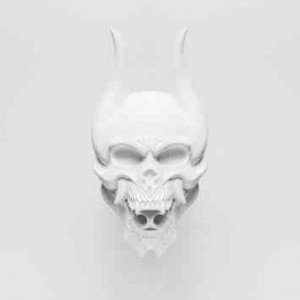

Trivium — Silence In The Snow
★☆☆☆ This album has a tendency to sound like a hybrid between Static X, Hatebreed, BABYMETAL, Arch Enemy, and Oingo Boingo. At least it’s an interesting carwreck. See the rest here
★☆☆☆ This album has a tendency to sound like a hybrid between Static X, Hatebreed, BABYMETAL, Arch Enemy, and Oingo Boingo. At least it’s an interesting carwreck. See the rest here
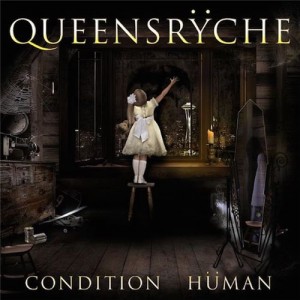
★★☆☆ This album is a bit better than the band’s first attempt with vocalist Todd LaTorre, in two key areas: production and ambition. Everyone is in top form performance-wise, with the big prize going to LaTorre; he manages to both sound exactly like Geoff Tate when he wants to, and to self-assuredly avoid that trick when he doesn’t. See the rest here
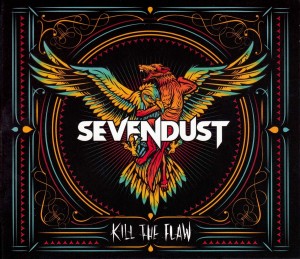
★★☆☆ The band continue to show off their knack for creating catchy, meaty metalrock tunes. A few tracks here are slightly djentier than anything on Cold Day Memory or Black Out The Sun, and it works. However, it’s hard to imagine anything from this album becoming a band classic; at best, a couple of tunes rise to the level of reminding me of “Decay.” See the rest here
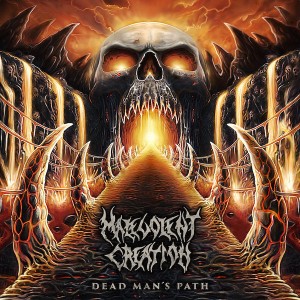
★☆☆☆ This death metal album makes the tactical mistake of starting with a slow dirge. Not an instrumental intro, but a full five-minute mood piece. Unfortunately, that is one boring mood, and no amount of energy that the following tracks spews can completely shake free of it. There are still glimmers of the once-mighty Malev magic here and there, but those are tempered by unsuccessful attempts to sound like Slayer or Cannibal Corpse. See the rest here
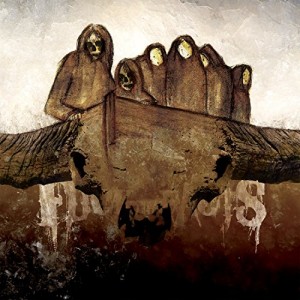
★★★☆ Your very first instinct will be to write off this album as unimaginative grindcore, perhaps with some more Ballouesque tendencies. This is perhaps understandable, considering the lo-fi production values or the fact that we start off with blast beats. But what follows is a wide-ranging collection of songs that are surprising, progressive, novel, and above all brutal. See the rest here
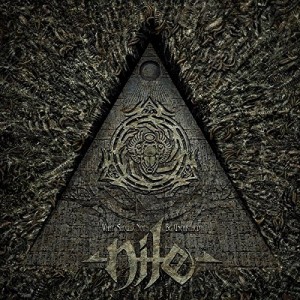
★★☆☆ Yep, this is a Nile album alright: disgusting, blisteringly fast, sloppily technical, and drummer George Kollias’s legs must be on crack. It’s also highly disjointed, even for Nile, and feels like a haphazard collection of miscellaneous riffs and moments. Sometimes, you luck out and get a harrowing moment of the abyss looking into you. See the rest here

★★★☆ The band return to purvey their peculiar high-gloss brand of atmospheric djent, and once again I liken the sensation to being crushed by ten tons of craft paper: heavy as fuck, but somehow hollow. My biggest worry going into this listening experience was that, in losing vocalist Ashe O’Hara (replaced in vintage djent-musical-chairs fashion by former TesseracT and Skyharbor vocalist Daniel Tompkins), the band would take a step backward. See the rest here
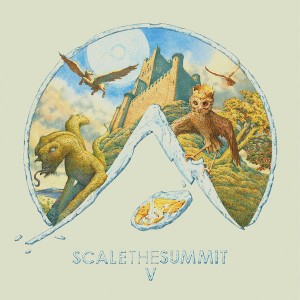
★★★☆ This album chronicles the band taking a couple of half steps in jazzier, erratic directions. In other words, it’s slightly more BTBAM than their previous album. But it’s still guitarwankery at its finest, and I’m stoked that the band are venturing out into new territories while still repeatedly coming back to Shredsville. See the rest here
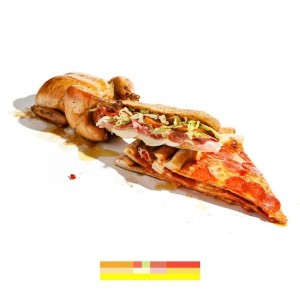
★★★☆ This is one fun and energetic album to listen to (although the metal in the music’s DNA is by now very hard to grok anymore). This feels very much like a sequel to the band’s previous album “Gloss Drop”, with more emphasis on Ableton-style electronics than ever before. As always, John Stanier’s drums nail down a fierce and infectious rhythm throughout, but Ian Williams and Dave Konopka alternate fluidly between atmospherics and grooves. See the rest here
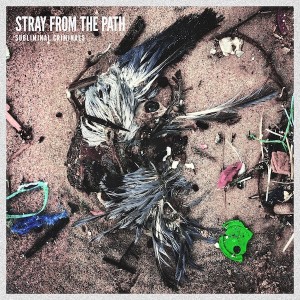
★★☆☆ SFTP get a lot of shit for sounding like little more than RATM v2 (and not undeservedly). That said, their latest album has them drawing less from that source, and instead introducing more of a vintage Mudvayne sound. I wouldn’t have thought of Rage and Mudvayne as promising wellsprings for a modern band, but you know what? See the rest here
 This work by Metalligentsia is licensed under a Creative Commons Attribution-NonCommercial-NoDerivatives 4.0 International License.